



 Houders
 Kabels en Smartbox
 Dashcam toestellen
 Voor- en achteruitkijk camera’s
 SD kaartjes
 Batterij
 Batterij
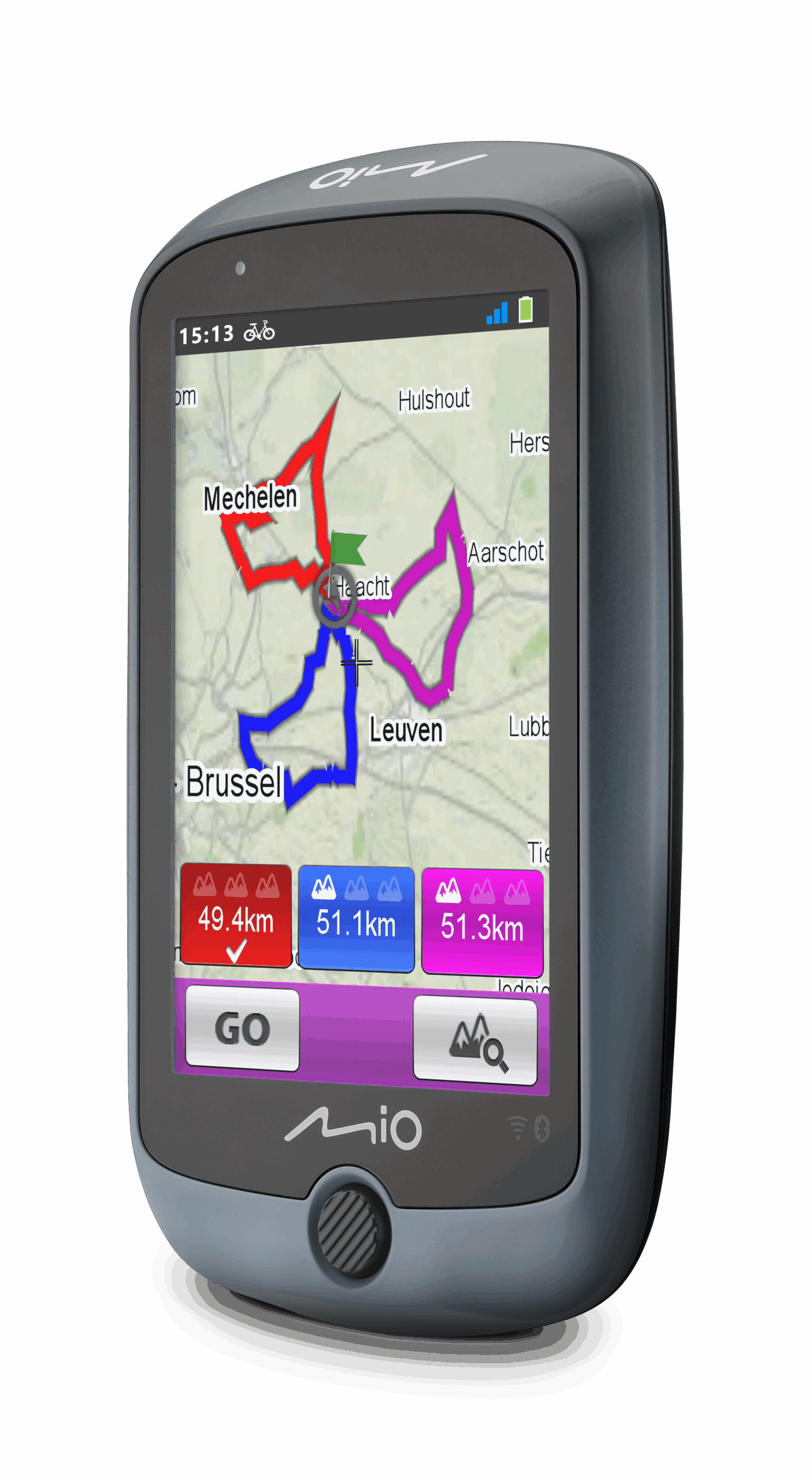 Toestellen
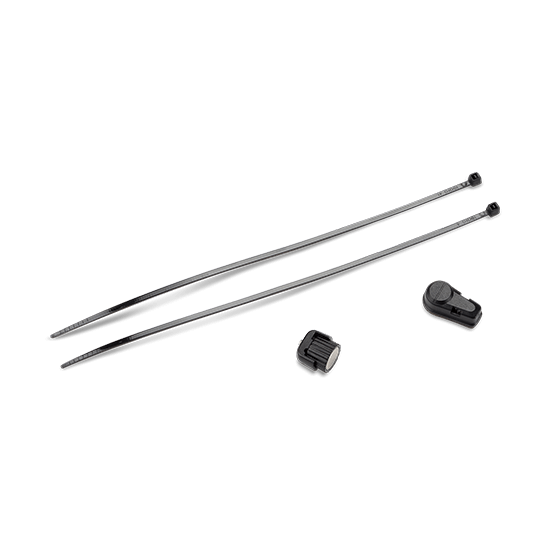 Sensoren
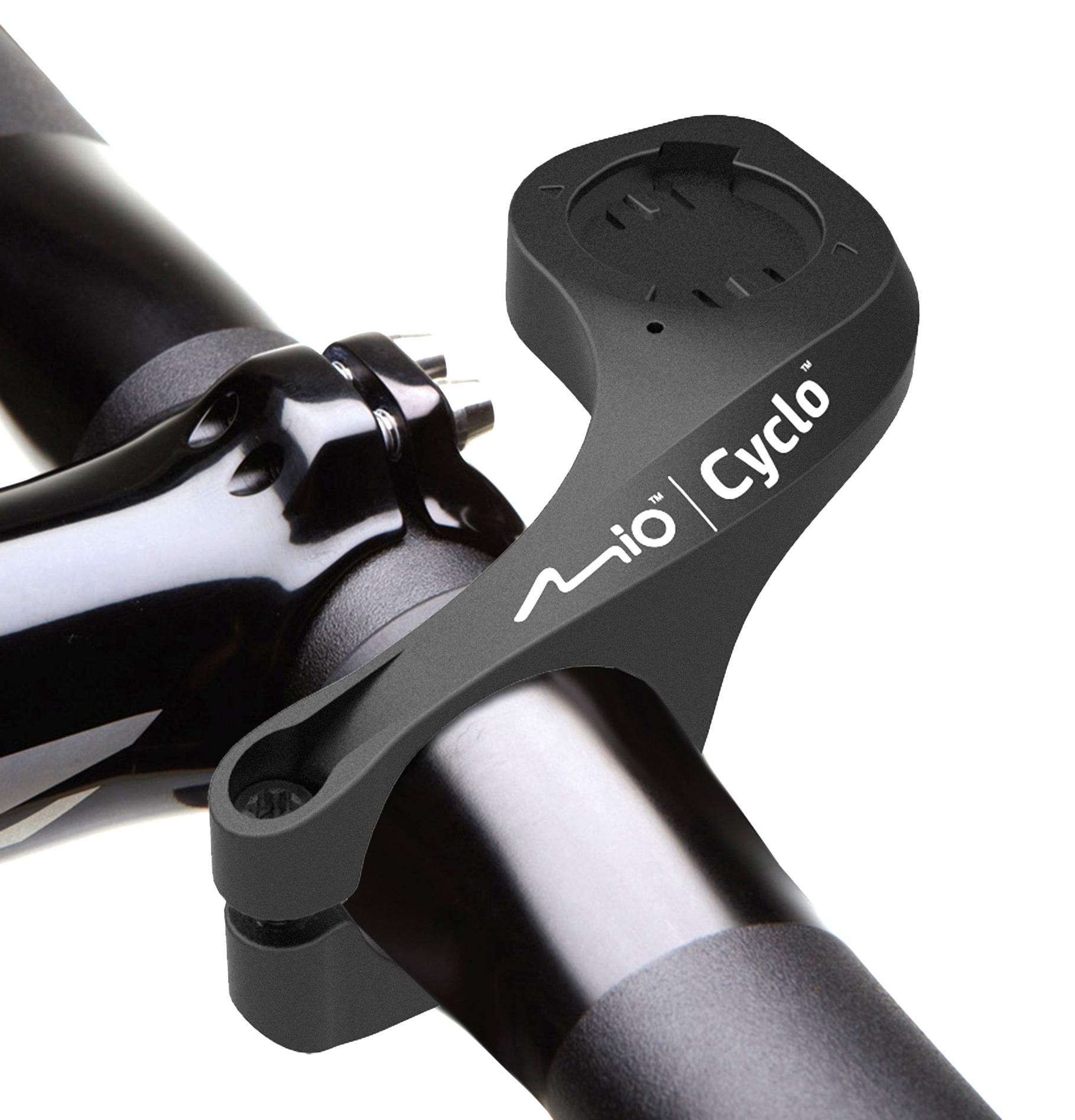 Houders
 Kabels
 Tasje / hoesje
 Mio GPS toestellen
 Houders
 Kaarten
 Speciale huurkaarten
100 Pyetje Logjike Instant
Premise 1: All roses are flowers. Premise 2: Some flowers fade quickly. Conclusion: Some roses fade quickly. Question: Is this conclusion necessarily true? (Answer: No – the roses might be in the subset of flowers that do not fade quickly.)
In logic, the journey is the destination – and every correct answer is a small victory over confusion. End of write-up.
The beauty of logical questions is that they do not require advanced mathematics or specialized knowledge—only discipline, attention, and a willingness to question the obvious. The 100 questions are divided into five distinct categories, each targeting a specific facet of logical reasoning. The difficulty progresses from warm-up exercises to expert-level paradoxes. Category 1: Syllogisms and Deductive Reasoning (Questions 1–20) Focus: Validity of arguments, "All men are mortal" structures. 100 Pyetje Logjike
Recognizing fallacies is crucial for critical thinking in media and politics. Focus: Counterintuitive solutions, self-reference, out-of-the-box logic.
What is the next number? 2, 6, 12, 20, 30, __ (Answer: 42 – differences increase by 2 each time: +4, +6, +8, +10, +12.) Premise 1: All roses are flowers
These questions encourage intellectual humility – sometimes logic reveals limits. | Approach | Recommendation | |----------|----------------| | Solo practice | Set a timer: 2 minutes per question. No peeking at answers. | | Group discussion | Debate answers – logic is sharpened by disagreement. | | Daily habit | Do 5 questions per day. Consistency > intensity. | | Error log | Track which categories you fail most. Revisit those. | Sample Questions with Solutions To give a taste, here are three authentic problems from the collection:
These questions resemble IQ test sections and improve fluid intelligence. Focus: Ad hominem, straw man, false dilemma, circular reasoning. Question: Is this conclusion necessarily true
You meet two people. A says: "At least one of us is a knave (liar)." B says nothing. Assuming knights always tell the truth and knaves always lie, what are A and B? (Answer: A must be a knight, B must be a knave. If A were a knave, the statement "at least one is a knave" would be false, meaning both are knights – a contradiction.)