Build confidence, precision, and consistency — with the most advanced practice app for musicians. The app trusted by Broadway musicians, Juilliard students, and teachers worldwide.
Trusted by
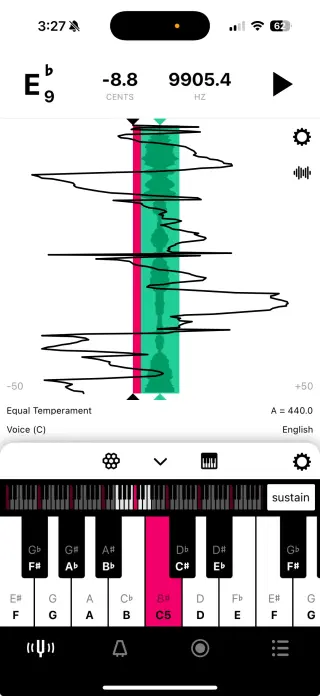
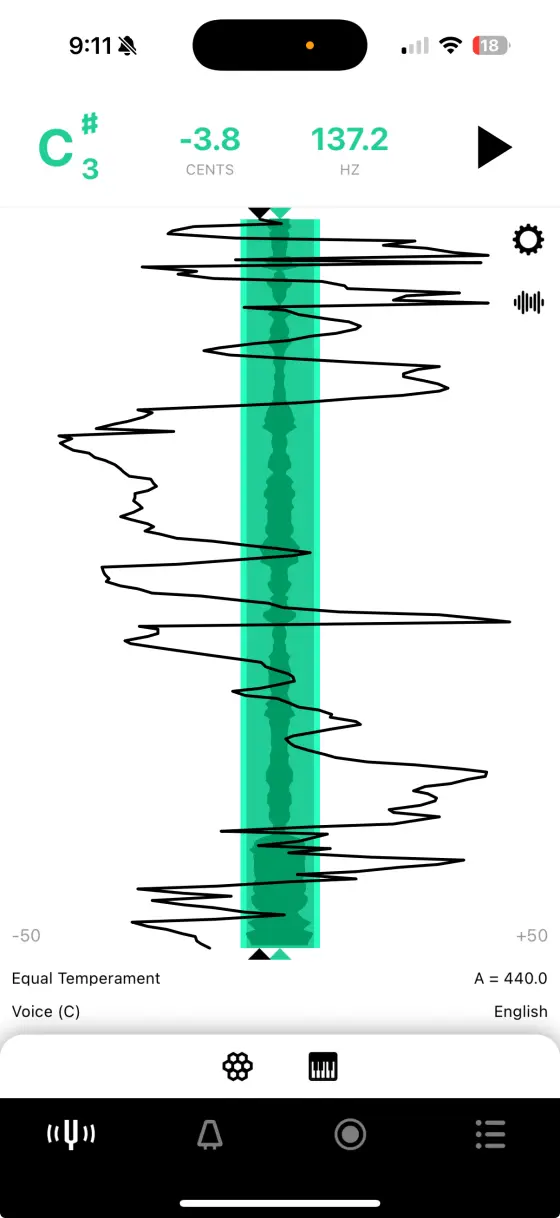
Tunable works with any instrument, from piccolo to tuba, guitar to voice. See every note in perfect clarity with Sustained Pitch History™ and detailed intonation analysis. Perfect for beginners and professionals alike.
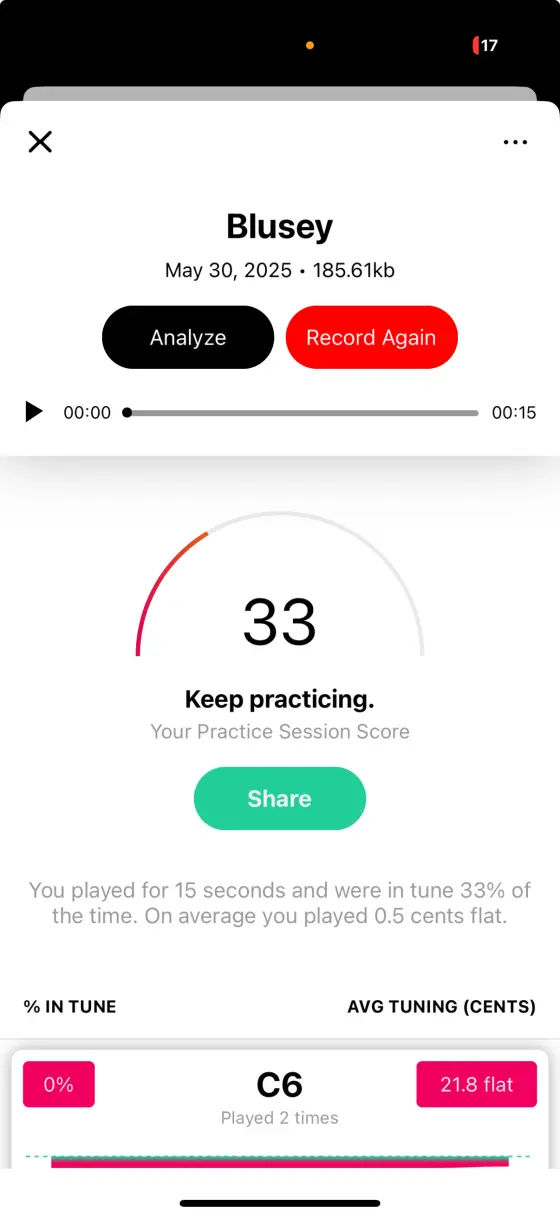
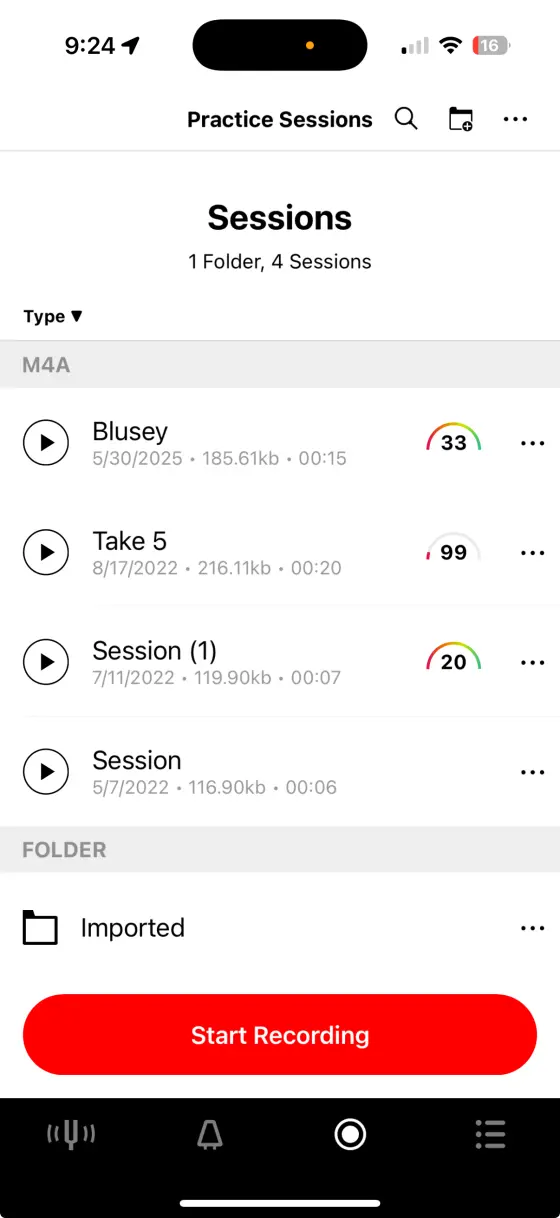
Track your practice sessions with detailed analytics and Practice Score™. See your improvement over time and identify areas that need more attention. Perfect for teachers and students alike. auto complete survey bot
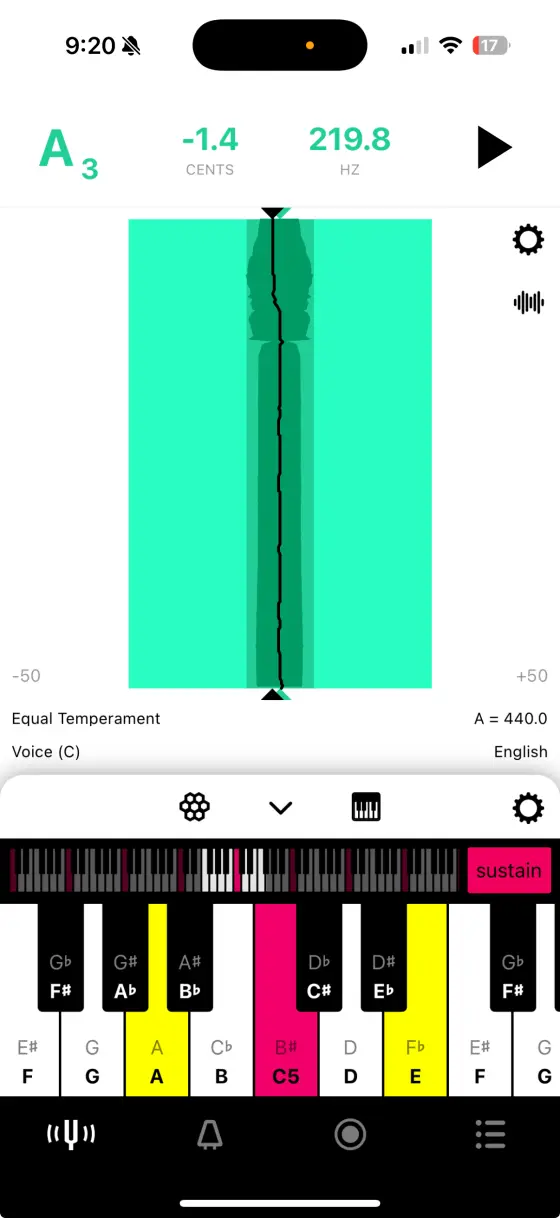
Use the tone and chord generator to improve your intonation. Sustain notes and chords to hear the difference between them and play along them to train your ear. Author: [Generated AI / Research Dept
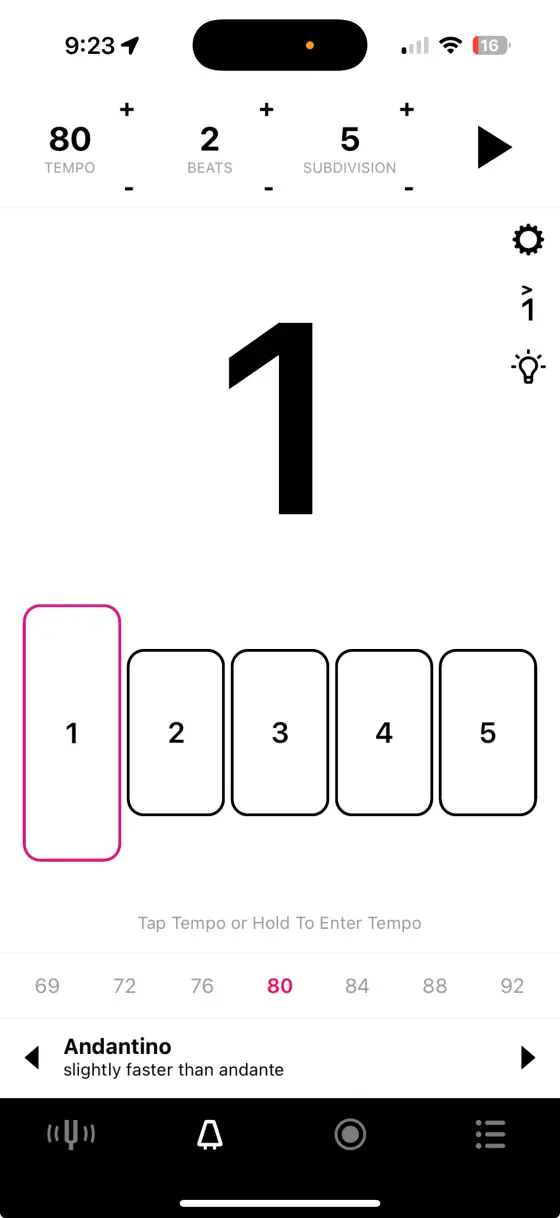
Use the advanced visual metronome with precise and multi-device synchronization* to keep time; perfect for individual and ensemble practice. We explore the system architecture, the tension between
Capture your performances to share, improve, or listen to. Add studio-quality reverb and share recordings with teachers or review your progress. Perfect for audition prep.
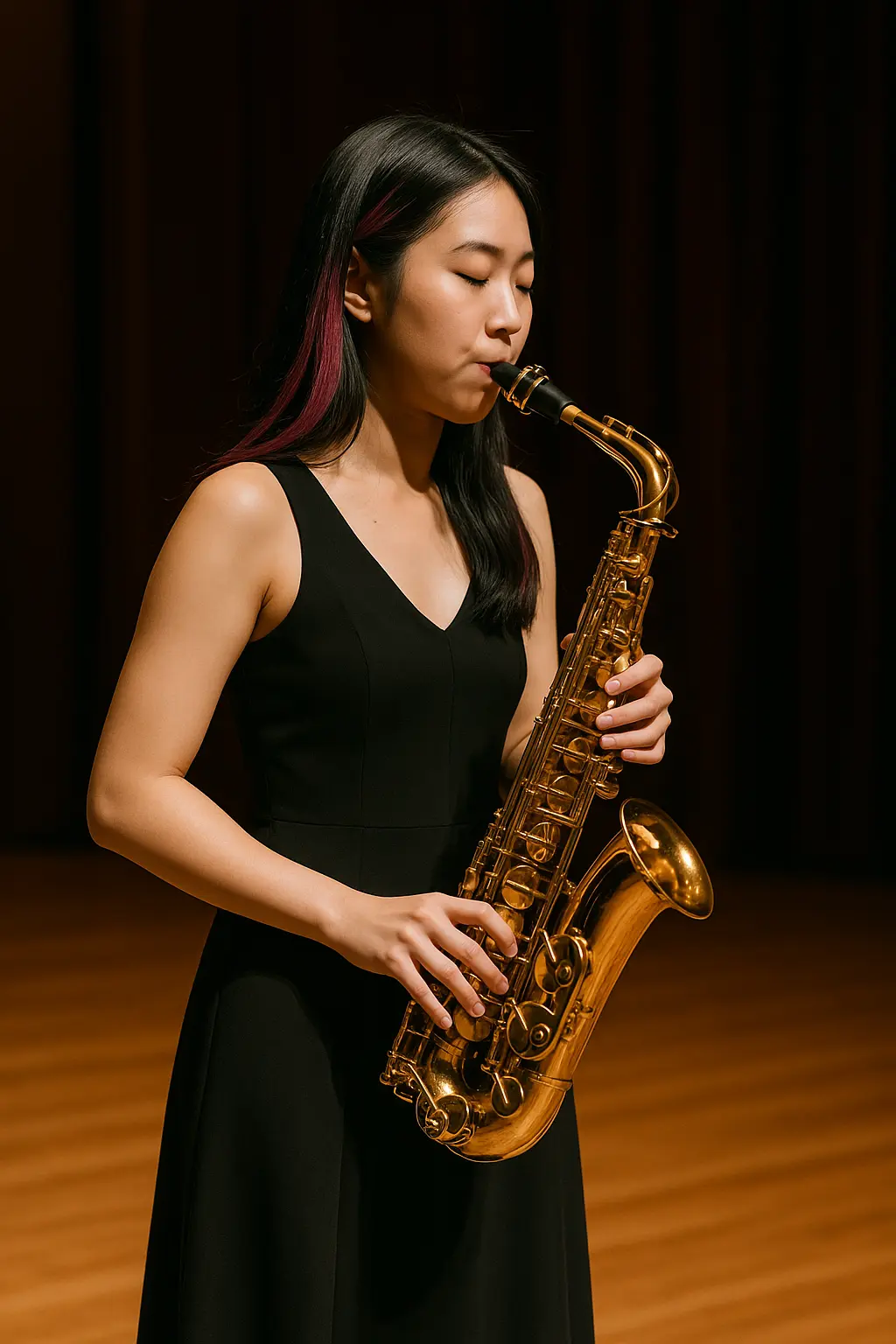
Tunable grows with you. Start as a beginner, develop your skills, and join the ranks of professionals who rely on Tunable every day.
Build confidence with practice feedback and clear visual cues
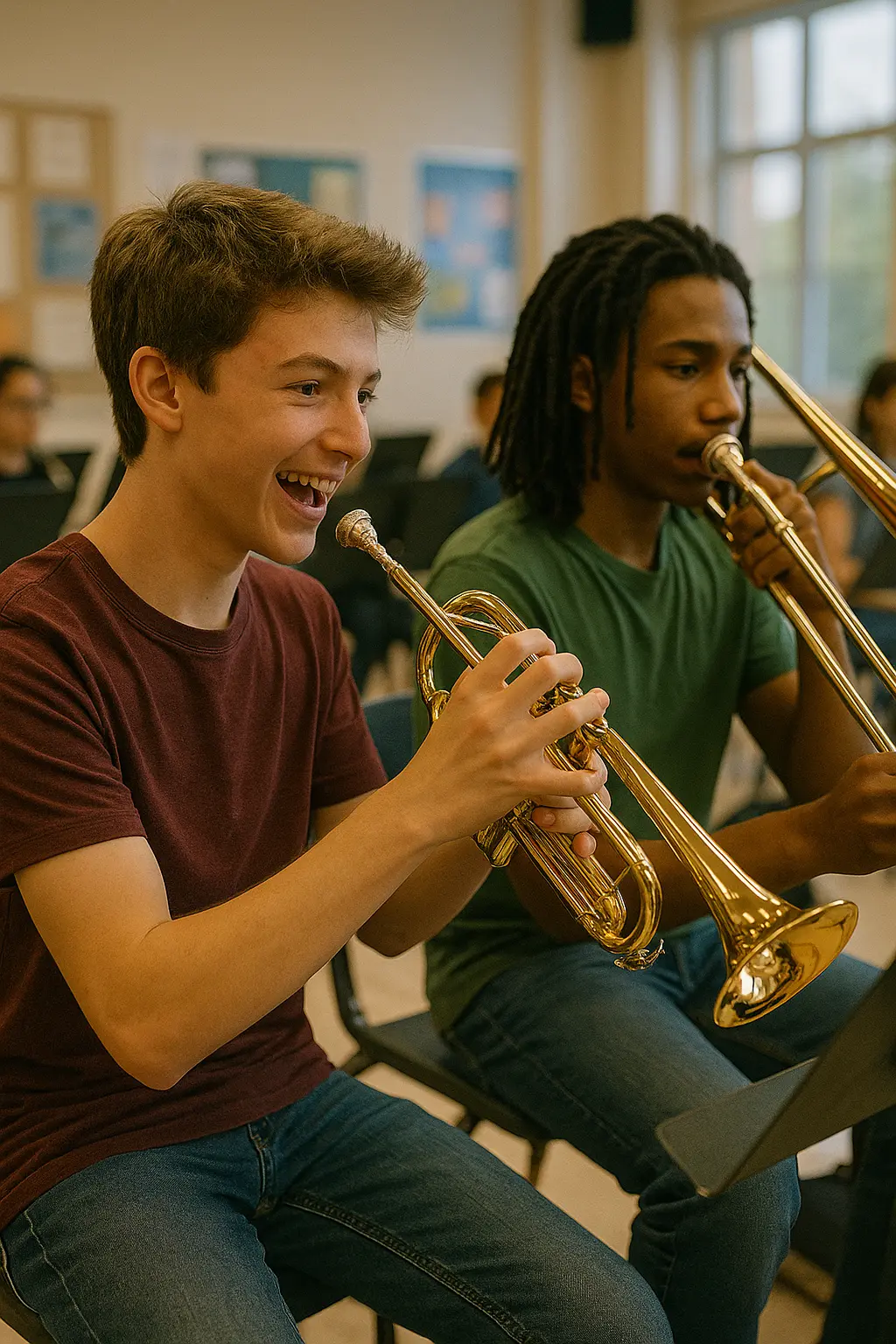
Broadway musicians and Juilliard students trust Tunable for precision
Share recordings and track student progress with detailed analytics
Author: [Generated AI / Research Dept.] Date: October 2023 Abstract The traditional survey—a static set of questions—suffers from high abandonment rates, respondent fatigue, and low-quality free-text responses. This paper introduces the Auto-Complete Survey Bot (ACSB) , a conversational AI agent that dynamically adapts survey flow using generative language models. Unlike rule-based chatbots, ACSB employs real-time intent classification, sentiment analysis, and predictive text completion to reduce response time by an average of 63% while increasing completion rates. We explore the system architecture, the tension between efficiency and bias, and propose a hybrid model of human-in-the-loop validation. Empirical data from a pilot study (N=1,200) demonstrates that ACSB maintains data integrity for Likert-scale items but introduces a 12% hallucination rate in open-ended fields. We conclude with design guidelines for ethical auto-completion in primary data collection. 1. Introduction Surveys are the bedrock of social science, market research, and user experience (UX) design. However, the "survey crisis" is well-documented: response rates have fallen below 10% for cold outreach, and up to 80% of respondents abandon long-form surveys (Pew, 2022).
Existing solutions—progress bars, gamification, conditional logic—are passive. They do not accelerate the act of responding . The emergence of large language models (LLMs) and conversational UI enables a paradigm shift: the .
| Feature | Traditional Chatbot | Auto-Complete Survey Bot | | :--- | :--- | :--- | | Question flow | Fixed or simple branching | Dynamic, generative inference | | Text input | Full manual typing | Predictive completion & summarization | | Error handling | Re-ask question | Infer correction from context | | Open-ended response | Verbose, often abandoned | Concise, AI-facilitated | | Completion time | Linear | Sub-linear (parallel inference) |
| Mode | Trigger | Example | Risk | | :--- | :--- | :--- | :--- | | | User pauses typing > 1.5 sec | User types "I feel..." → Bot suggests "satisfied with my workload." | Anchoring bias | | Inference | Question is predictable from prior answers | Q4 asks "Age range?" → Bot auto-selects from Q3’s birth year. | Silent assumption error | | Summarization | Open-ended “Please explain” | User writes 3 bullet points → Bot rewrites as fluent paragraph. | Semantic drift |

Author: [Generated AI / Research Dept.] Date: October 2023 Abstract The traditional survey—a static set of questions—suffers from high abandonment rates, respondent fatigue, and low-quality free-text responses. This paper introduces the Auto-Complete Survey Bot (ACSB) , a conversational AI agent that dynamically adapts survey flow using generative language models. Unlike rule-based chatbots, ACSB employs real-time intent classification, sentiment analysis, and predictive text completion to reduce response time by an average of 63% while increasing completion rates. We explore the system architecture, the tension between efficiency and bias, and propose a hybrid model of human-in-the-loop validation. Empirical data from a pilot study (N=1,200) demonstrates that ACSB maintains data integrity for Likert-scale items but introduces a 12% hallucination rate in open-ended fields. We conclude with design guidelines for ethical auto-completion in primary data collection. 1. Introduction Surveys are the bedrock of social science, market research, and user experience (UX) design. However, the "survey crisis" is well-documented: response rates have fallen below 10% for cold outreach, and up to 80% of respondents abandon long-form surveys (Pew, 2022).
Existing solutions—progress bars, gamification, conditional logic—are passive. They do not accelerate the act of responding . The emergence of large language models (LLMs) and conversational UI enables a paradigm shift: the .
| Feature | Traditional Chatbot | Auto-Complete Survey Bot | | :--- | :--- | :--- | | Question flow | Fixed or simple branching | Dynamic, generative inference | | Text input | Full manual typing | Predictive completion & summarization | | Error handling | Re-ask question | Infer correction from context | | Open-ended response | Verbose, often abandoned | Concise, AI-facilitated | | Completion time | Linear | Sub-linear (parallel inference) |
| Mode | Trigger | Example | Risk | | :--- | :--- | :--- | :--- | | | User pauses typing > 1.5 sec | User types "I feel..." → Bot suggests "satisfied with my workload." | Anchoring bias | | Inference | Question is predictable from prior answers | Q4 asks "Age range?" → Bot auto-selects from Q3’s birth year. | Silent assumption error | | Summarization | Open-ended “Please explain” | User writes 3 bullet points → Bot rewrites as fluent paragraph. | Semantic drift |

Join millions of musicians who practice with confidence. Download Tunable and discover what you're truly capable of.