Bootstrap V4.0.0-alpha.6 Vulnerabilities May 2026
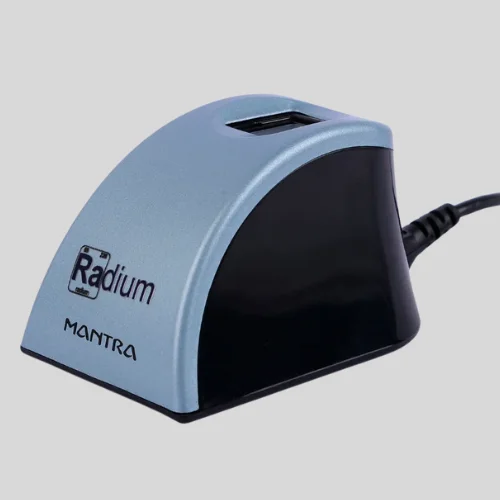
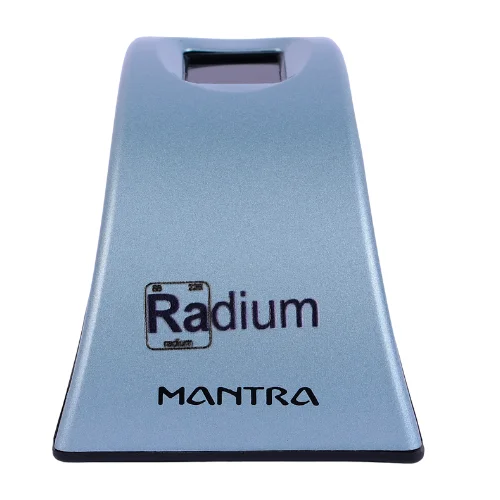
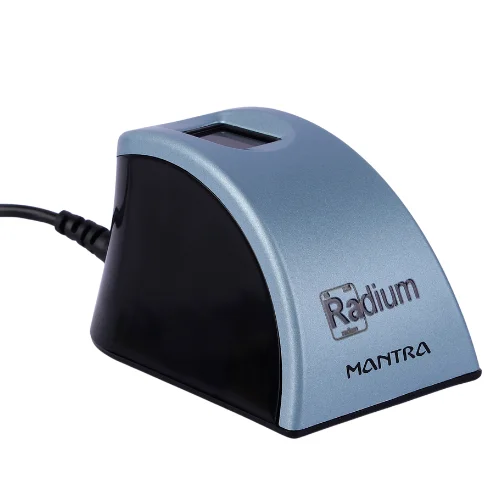
We provide easy and hassle-free RD service renewal and recharge of Mantra
MFS110
RD Service Online provides all types of latest device driver softwares with
ease to download and 365 days installation support service.

STQC Certified
Mantra MFS series is STQC certified provides confidence to the users
of the biometric devices that the certified devices are reliable, secure and of optimum quality

Best Price
This is the right platform for you to look for a MFS110 V54 that fits
your budget, technical and design requirements

Unlimited support
In addition to unlimited support, our servico support team of experts
provide you with effective solutions to all the error you are facing while using Mantra devices

Real time update
We provide real-time updates that allow you to monitoring the
activities on your requested servico.
// Vulnerable example in alpha.6 // An attacker could inject: data-trigger="click" data-html="true" data-content="<img src=x onerror=alert(1)>" $('#element').tooltip(); Severity: Low to Medium Affected components: Tooltip, Popover
Bootstrap has long been the world's most popular front-end component library. However, using older, pre-release versions like v4.0.0-alpha.6 (released in January 2017) comes with significant security risks that many developers overlook. In this post, we'll examine the known vulnerabilities affecting this specific alpha release and why you should upgrade immediately. Bootstrap v4.0.0-alpha.6 was an important milestone in the Bootstrap 4 development cycle, introducing significant changes from the alpha.5 release. However, as an alpha version , it was never intended for production use. It lacked many security hardening measures that would later be implemented in the stable v4.0.0 release (January 2018) and subsequent versions. Known Vulnerabilities in v4.0.0-alpha.6 While the Bootstrap team maintains good security practices, several vulnerabilities have been documented that affect this specific alpha release: 1. Cross-Site Scripting (XSS) via Data Attributes (CVE-2019-8331) Severity: Medium Affected components: Tooltip, Popover
The tooltip and popover plugins in Bootstrap versions prior to 3.4.1 and 4.3.x before 4.3.1 contained an XSS vulnerability. While alpha.6 predates these fixes, the vulnerable code pattern exists in this alpha release. Attackers could inject malicious JavaScript through custom data-* attributes when the tooltip or popover was initialized with unsanitized user input.
Bootstrap V4.0.0-alpha.6 Vulnerabilities May 2026
// Vulnerable example in alpha.6 // An attacker could inject: data-trigger="click" data-html="true" data-content="<img src=x onerror=alert(1)>" $('#element').tooltip(); Severity: Low to Medium Affected components: Tooltip, Popover
Bootstrap has long been the world's most popular front-end component library. However, using older, pre-release versions like v4.0.0-alpha.6 (released in January 2017) comes with significant security risks that many developers overlook. In this post, we'll examine the known vulnerabilities affecting this specific alpha release and why you should upgrade immediately. Bootstrap v4.0.0-alpha.6 was an important milestone in the Bootstrap 4 development cycle, introducing significant changes from the alpha.5 release. However, as an alpha version , it was never intended for production use. It lacked many security hardening measures that would later be implemented in the stable v4.0.0 release (January 2018) and subsequent versions. Known Vulnerabilities in v4.0.0-alpha.6 While the Bootstrap team maintains good security practices, several vulnerabilities have been documented that affect this specific alpha release: 1. Cross-Site Scripting (XSS) via Data Attributes (CVE-2019-8331) Severity: Medium Affected components: Tooltip, Popover
The tooltip and popover plugins in Bootstrap versions prior to 3.4.1 and 4.3.x before 4.3.1 contained an XSS vulnerability. While alpha.6 predates these fixes, the vulnerable code pattern exists in this alpha release. Attackers could inject malicious JavaScript through custom data-* attributes when the tooltip or popover was initialized with unsanitized user input.