Women's Top 25: An Ivy Debut and a Big Question Mark
Dec 8: Key wins by USC and Nebraska shake up the leaderboard. Ole Miss slides in the midst of an identity crisis. An Ivy League squad joins the Top 25.
Based on the novel by Nicholas Sparks, the 2010 film Dear John is often marketed as a quintessential romantic drama—a story of star-crossed lovers torn apart by distance. However, beneath the surface of its sweeping beachside romance and tragic misunderstandings lies a more nuanced exploration of duty, sacrifice, and the limitations of communication. While the film delivers the expected emotional beats of a tearjerker, its true strength lies in portraying how love is often not enough to overcome the structural barriers of time, trauma, and unspoken obligation.
Moreover, Dear John distinguishes itself from other Sparks adaptations through its subplot involving John’s autistic father (played poignantly by Richard Jenkins). The father’s silent routine and his tragic death after a stroke serve as a mirror to John’s own emotional repression. The father’s inability to say "I love you" directly, except through a saved coin collection, mirrors John’s inability to articulate his feelings to Savannah. In the end, it is only after losing both his father and his lover that John learns the film’s central lesson: love is not a feeling to be preserved in letters, but an action that requires presence. xem phim dear john
The film’s pivotal turning point—the infamous "Dear John" letter Savannah sends to break up with him—is less a betrayal and more a tragic inevitability. After the trauma of 9/11, John re-enlists, prioritizing his duty to his country and his struggling father over his commitment to Savannah. The film argues that John’s choice is not a lack of love, but an excess of duty. He is a man trained to endure physical pain but not emotional vulnerability. Consequently, when Savannah marries a dying man (Tim) out of compassion and shared grief, the audience is forced to recognize a harsh reality: sometimes people change not because they stop loving, but because their circumstances demand a different kind of love. Based on the novel by Nicholas Sparks, the
More Than a Love Letter: The Cost of Duty and Silence in Dear John Moreover, Dear John distinguishes itself from other Sparks
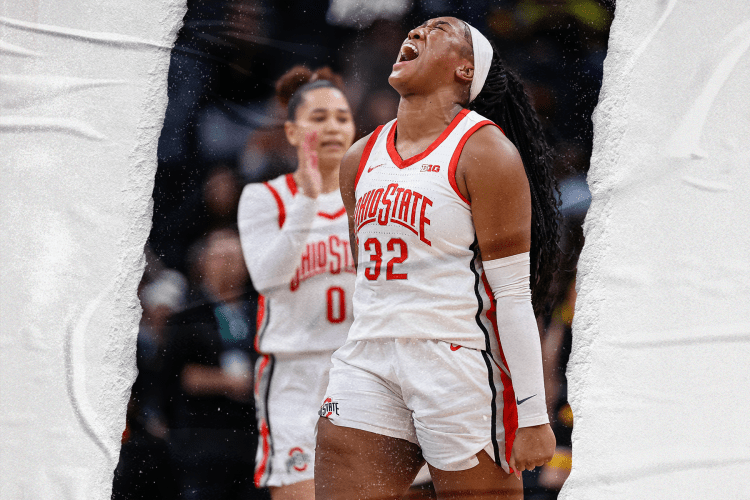
Dec 8: Key wins by USC and Nebraska shake up the leaderboard. Ole Miss slides in the midst of an identity crisis. An Ivy League squad joins the Top 25.

A light slate of games this week offers serious moneymaking potential. Our picks include Penn State at Indiana and Green Bay at IU Indy.

Dec 7: After a thrashing courtesy of Iowa State, Purdue falls from the podium. Michigan and Arizona battle for the top spot and five new teams join the fray.