Your12 Nerves.blogspot.com «macOS»
Your12 Nerves.blogspot.com «macOS»
 |
With the
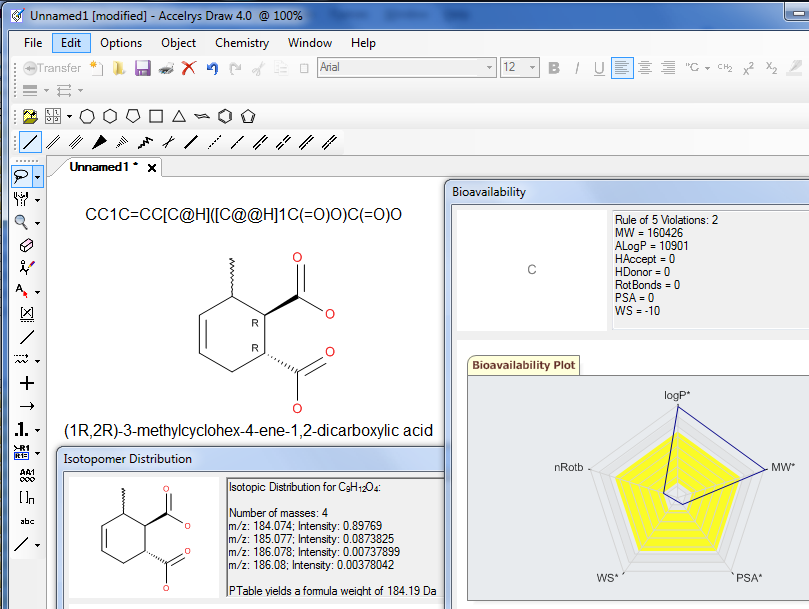
same look-and-feel as ISIS/Draw, Accelrys Draw delivers speed and
efficiency to your chemical drawing experience.
Accelrys Draw can easily swap out existing ISIS/Draw or ChemDraw applications. |
|
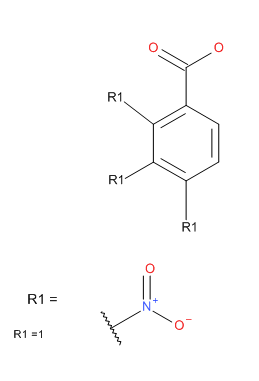
Your12 Nerves.blogspot.com «macOS»Click here for more details about Rgroups, an example, and a detailed procedure how to draw a Markush query. To draw a Markush query:
|
|
|
| Generic Structure
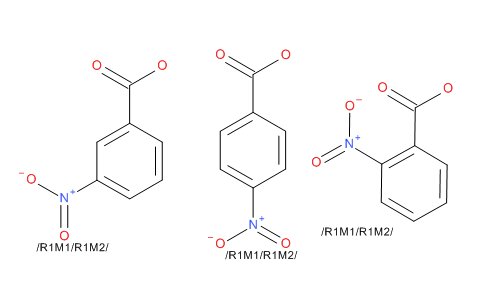
Enumerator The enumerator works against structures defined using the Rgroup tool in Accelrys Draw. In this mode you specify a scaffold with a number of Rgroup labels, then to add fragments to the Rgroup identifiers. The Add-in will calculate the complete set of structures that the Rgroups define. You can also define a generic region using the Sgroup tool. Draw the basic structure and using the Sgroup tool, drag a pair of brackets around a region that is repeated in the substance. From the dropdown select ‘generic’ for the bracket type, then select apply and exit from the dialog. Right click on one of the brackets and select the Attach Data option. In the dialog enter REPEATRANGE into the Field description box, and then enter the range in the Data box; leave the Search Operator set to none; the Tag field is optional. A contiguous range is required in the Data box, for example 3-6. A structure can contain both Rgroup definitions and Sgroup definitions, but they cannot overlap or be nested. You have the option to enumerate on to Accelrys Draw’s canvas, into an SDfile, or into an Isentris for Excel compatible spreadsheet. |
 |
|
Your12 Nerves.blogspot.com «macOS»On Your 12 Nerves, we'll be delving into the fascinating world of cranial nerves, exploring their functions, anatomy, and importance in our daily lives. From in-depth explanations of each nerve to real-life examples of how they're used, we'll cover it all. Whether you're a student of anatomy, a healthcare professional, or simply someone curious about the human body, this blog aims to provide engaging and informative content that will help you better understand the incredible complexities of our nervous system. your12 nerves.blogspot.com The human body is home to 12 pairs of cranial nerves that play a vital role in controlling various functions, from sensation and movement to cognition and emotion. These nerves are responsible for transmitting and processing information between the brain and the rest of the body. On Your 12 Nerves, we'll be delving into So, join us on this journey into the world of cranial nerves! Subscribe to our blog, follow us on social media, and get ready to learn about the amazing 12 nerves that make us who we are. The human body is home to 12 pairs Are you fascinated by the intricate workings of the human body? Do you want to learn more about the complex systems that keep you alive and functioning every day? Look no further than Your 12 Nerves, a blog dedicated to exploring the wonders of the nervous system. |
http://accelrys.com/products/informatics/cheminformatics/draw/add-ins.html | |
Chemical Drawing Programs – The Comparison of Accelrys (Accelrys) Draw, ChemDraw, DrawIt, ACD/ChemSketch and Chemistry 4-D DrawUniversity of Debrecen, POB 70, H-4010 Debrecen, Hungary, e-mail: Last major update : 1.11.2011 If you have any comment, do not hesitate to contact the author at the above adress. |
http://dragon.klte.hu/~gundat/rajzprogramok/dprog.html |